Payet & Rivière : Sugarcane as a field of exploration

The North

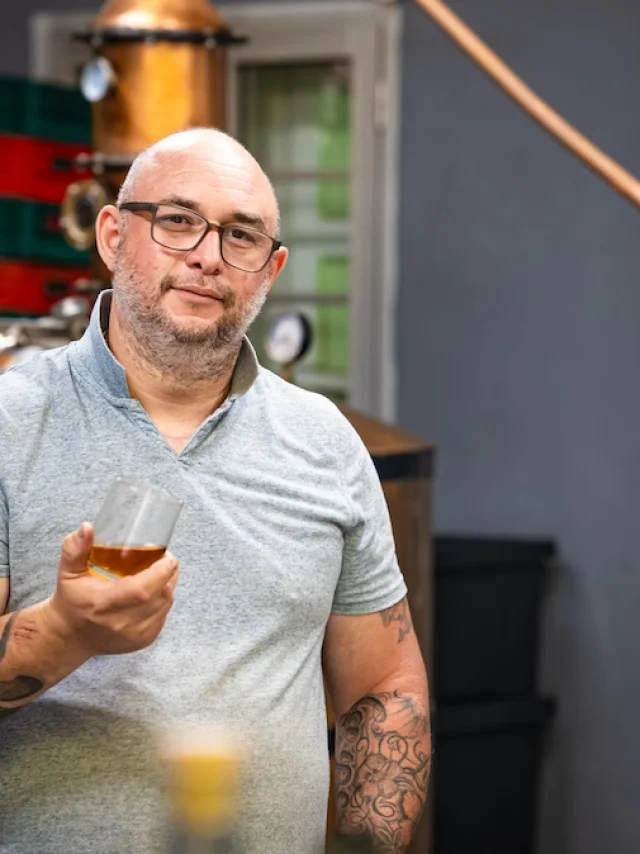
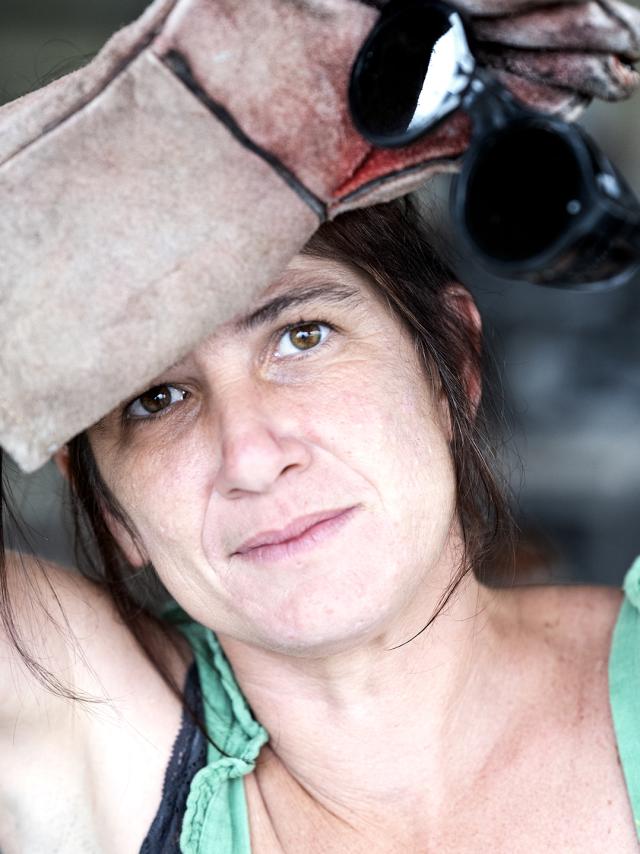
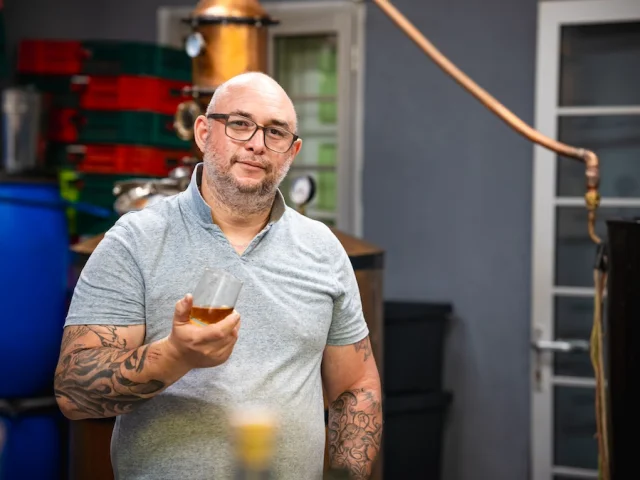
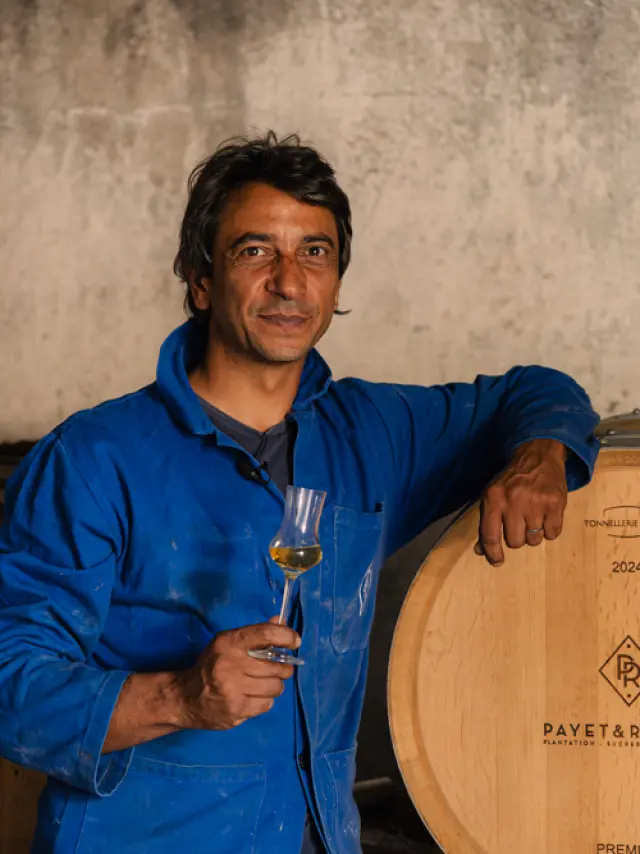
In Sainte-Suzanne, Alexis Rivière cultivates sugarcane the way others craft a fine wine : with precision, patience, and true artistic sensibility. Between his plantation, sugar mill, and distillery, he carries on a family legacy while seeking new ways to tell the story of Réunion.

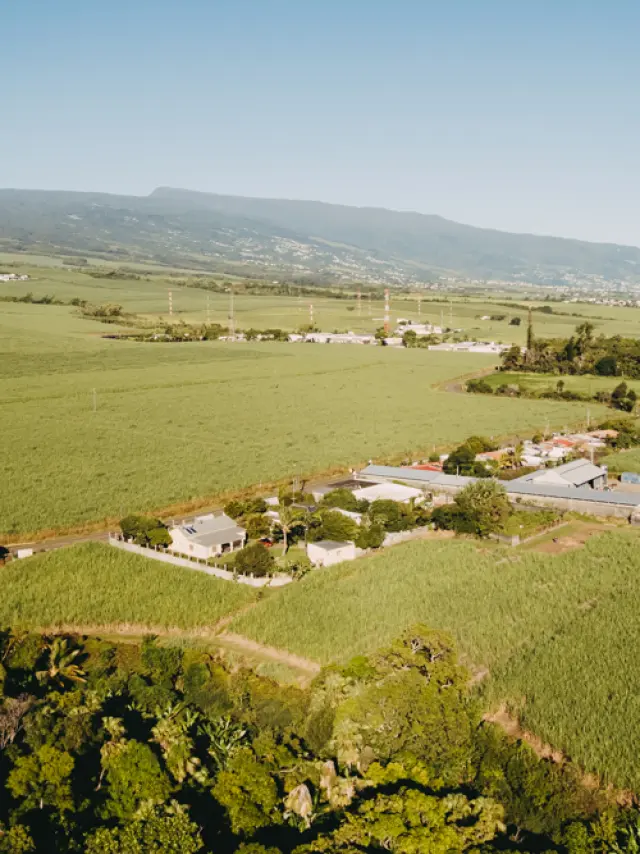
In northeastern Réunion, sugarcane stretches as far as the eye can see. It lines the roads, sways in the wind, and draws green lines all the way to the island’s foothills. When the sky clears, the view stretches from the ocean to Piton des Neiges.

Hidden amid this sea of sugarcane lies Payet & Rivière. A plantation, a sugar mill, and a distillery are all located on the family-owned Bel Air estate, where sugarcane is grown and then processed on-site into galabé and rum.

Between heritage and creativity

From the moment you arrive, the place already tells you something about Alexis Rivière.

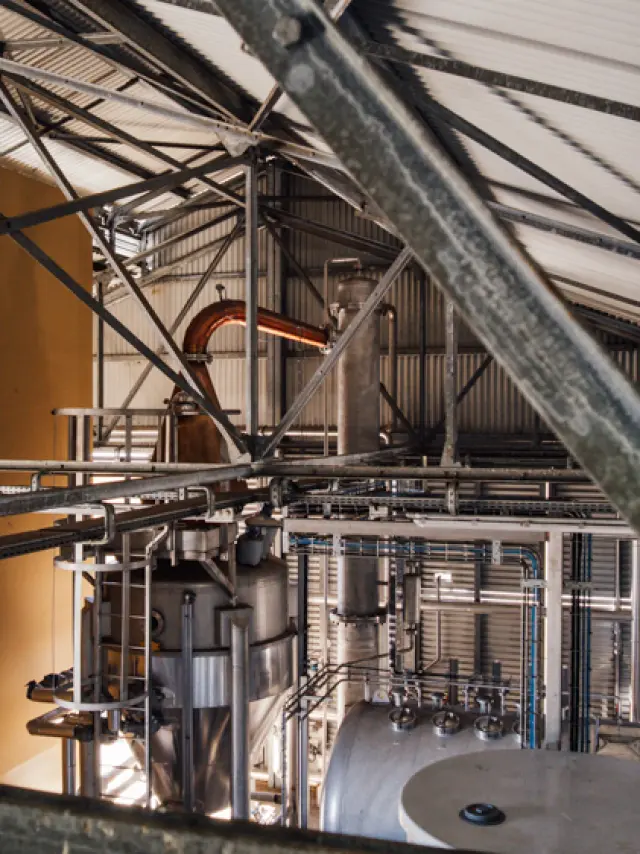
Old stone buildings stand side by side with stainless-steel tanks and the still. Among the ruins, street art murals emerge from the walls marked by time. In his office, art books are stacked high, works by artists from Réunion adorn the walls, and in the morning, the record player blasts rock music a bit too loud to kick off the day.

For him, an appreciation for beauty is never far from an appreciation for good taste.

When he talks about a local artist, a label, or a new bottle, his eyes light up immediately. You sense someone with a bit of a rock & roll spirit who loves to build bridges, between agriculture and aesthetics, between heritage and contemporary creation, and between Réunion’s sugarcane and something much more personal.

“It’s both a legacy we want to respect, but also one we want to preserve, build upon, and carry into the future. ”

The estate has been in his family since 1923. The names Payet and Rivière are those of his grandparents, deeply rooted in Réunion’s sugarcane history.

But Alexis isn’t trying to replicate the past exactly as it was. Rather, he’s interested in what can still be invented based on that history.
Cultivating sugarcane like a Grand Cru

What sets Payet & Rivière apart is, first and foremost, this rare level of expertise: here, the sugarcane is grown, processed, and distilled on site, from field to bottle.

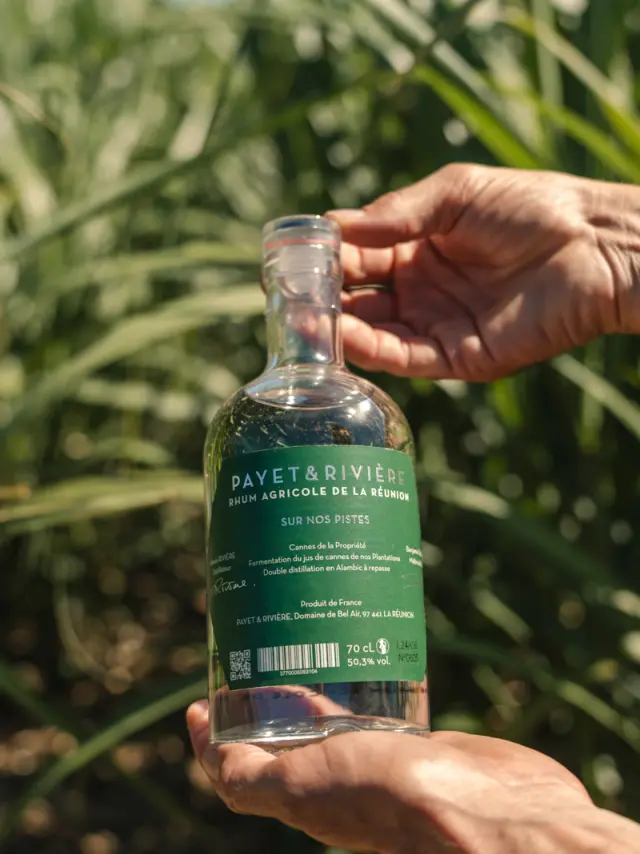
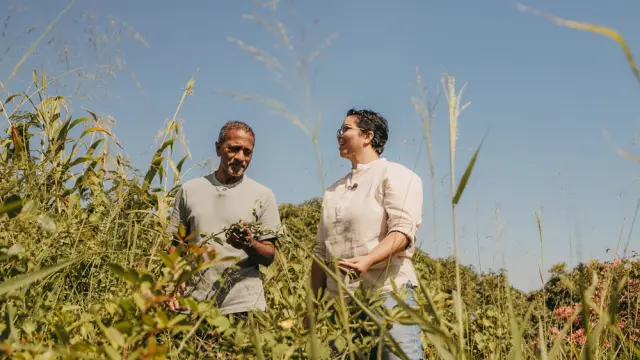
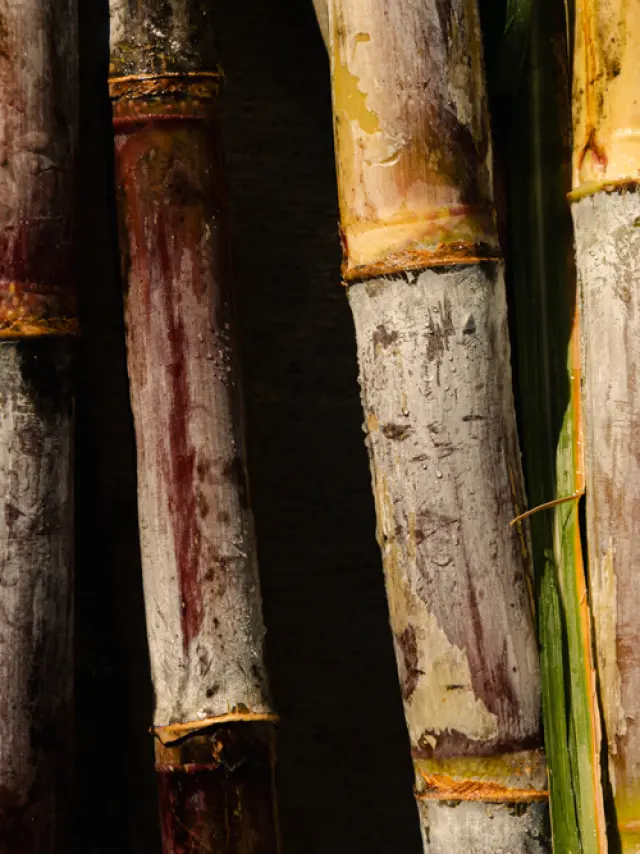
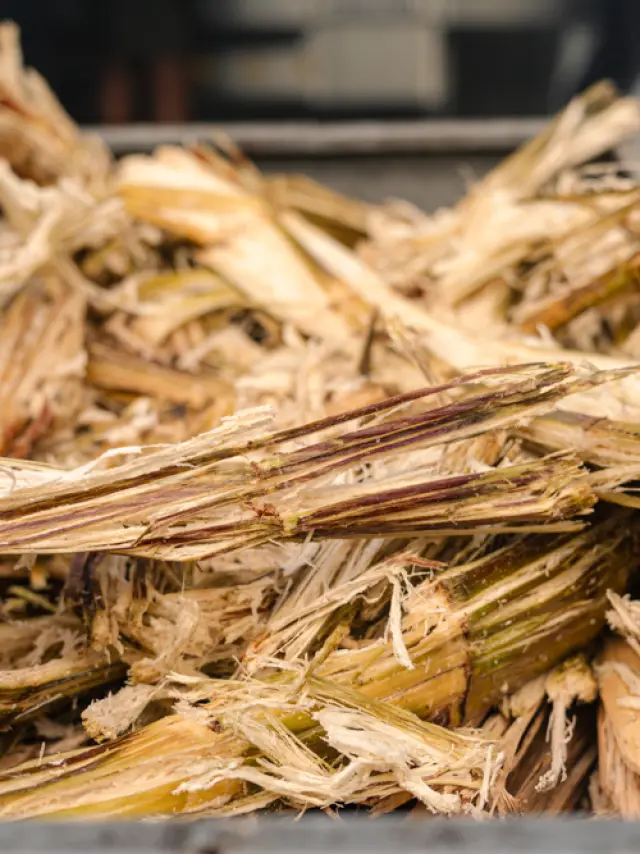
Certain plots are reserved for rum production. The sugarcane is grown organically there, with a significant amount of manual labor. Among the rows of sugarcane, the tasks are tedious and physically demanding. Herb is pulled by hand, the plants are closely observed, and we move slowly through the sharp leaves.

Perhaps that is where luxury begins : in this unseen care given to the raw material.

For it is indeed the sugarcane that guides the entire project. Alexis often speaks of it as a winemaker would speak of his grapes. Each plot, each fermentation can produce a different expression.

At Payet & Rivière, sugarcane becomes a true “field of exploration.”

Different rums, the same plant

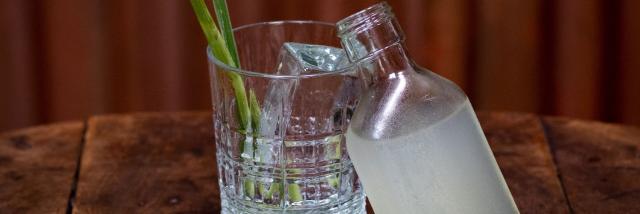
The distillery produces both agricultural rum, made from pure cane juice, and sugar mill rum, made from its own “galabé” syrup, a traditional Réunionese cane syrup with deep notes of caramel, coffee, and candied fruit.

Two very different approaches to the same plant.

One brings out the plant’s natural character, freshness, and juice. The other develops richer, rounder, almost pastry-like notes.

“Our goal is to observe the plant and see what unique qualities it has to offer.”

The same philosophy applies to the production process.

Fermentation lasts seven days, well beyond industry standards. Distillation takes place in a pot still, slowly. But for Alexis, technique is never an end in itself. It becomes a tool for exploration, a way to see just how far Réunion sugarcane can reveal new expressions.

Always experimenting

And Alexis doesn’t stop with white rum.

Right now, he’s experimenting : with aging techniques, new fermentation methods, and an amber rum in the works. He’s also working on other, more unexpected rum-based drinks, with lower alcohol content, that are still finding their final form.

He has this constant desire to test things out, to open doors, to see just how far sugarcane can go.

He speaks easily about textures, aromas, and finish, but also about emotion, graphics, and design with the same energy. As if it were all part of a single creative project.

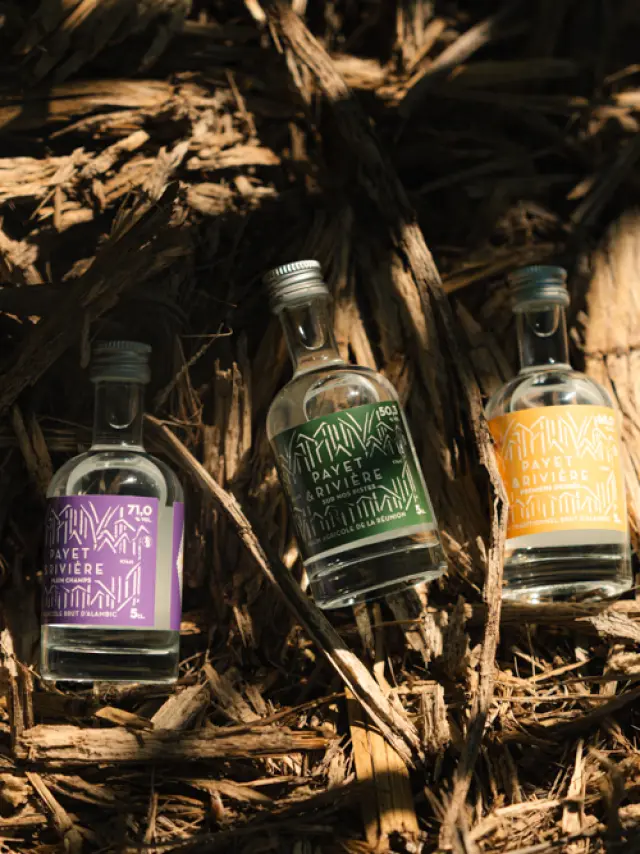
The bottles, in fact, extend this vision.

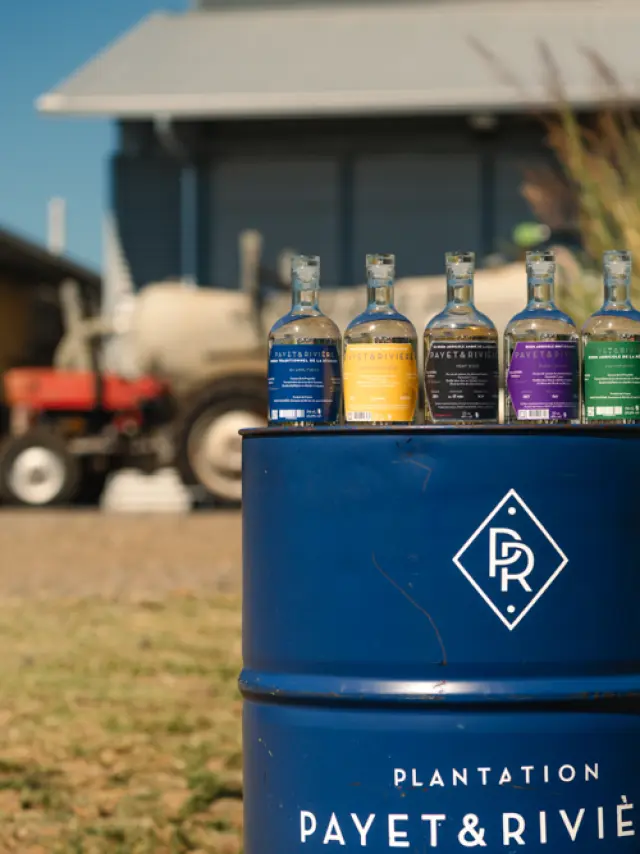
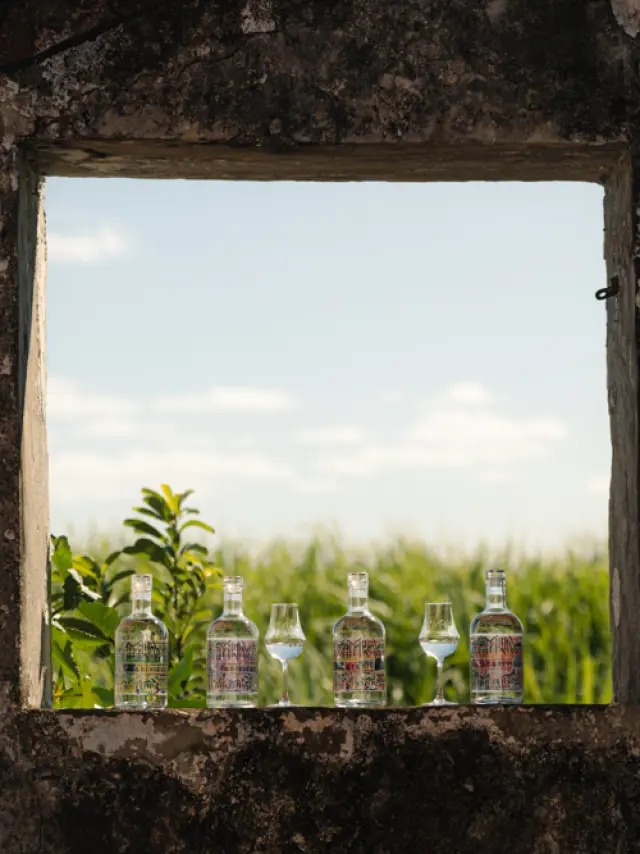
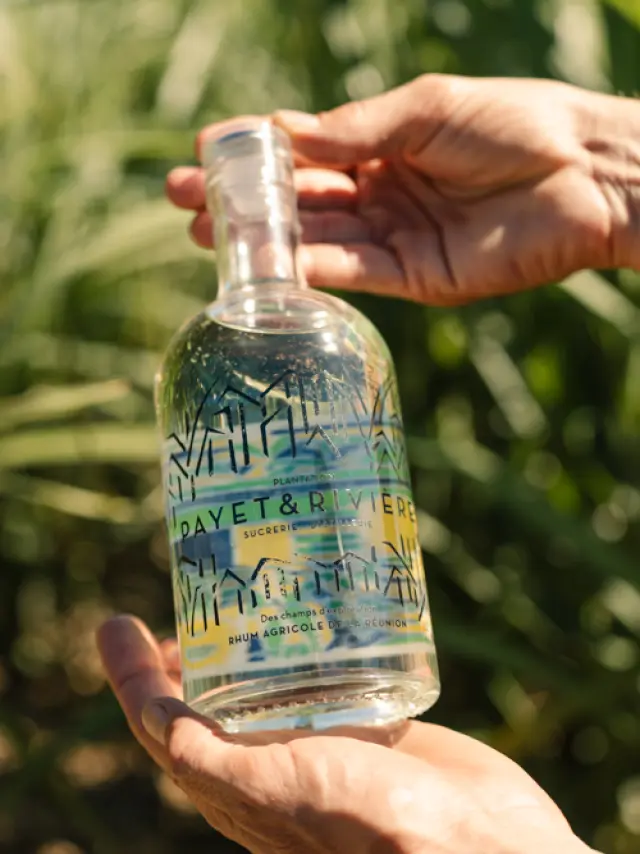
The illustrations, the colors, the interplay of the liquid’s transparency: nothing is left to chance. The labels reveal Réunion landscapes visible through the glass.

“We try to infuse a little art into all of this, in the broadest sense of the term.”

And that’s not just a catchphrase.

Aesthetics are an integral part of the Payet & Rivière experience. Alexis regularly works with local artists, exchanges ideas with them, and builds collaborations. He loves the idea that a rum can also convey a perspective, an atmosphere, and a contemporary visual culture of Réunion.

Alexis is both a producer and a researcher, someone who tastes, refines, and starts over, driven by the conviction that local sugarcane still has so much to tell.

Galabé : From memory to gastronomy

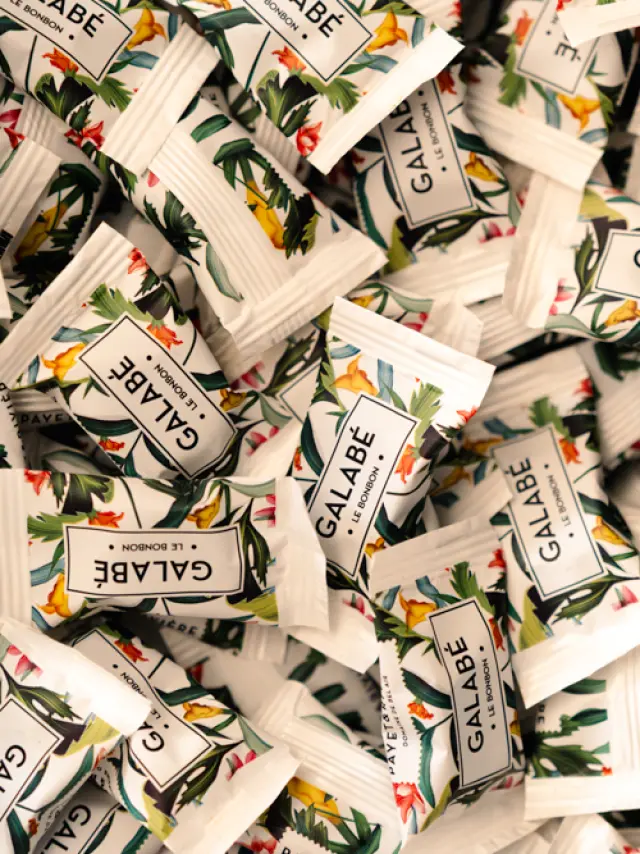
In the candy shop, galabé evokes another aspect of the island’s history, that of the “lontan” shops, where brown sugar cubes were sold near schools or on the beaches. For many people from Réunion, its taste is deeply tied to their childhood.

When you break off a piece, the aromas unfold slowly: caramel, coffee, licorice, candied fruit, honey.

But here again, Alexis refuses to treat it as merely a nostalgic item. Here, galabé becomes a culinary ingredient in its own right, used by chefs and worked with like a spice or a gourmet product.

In Sainte-Suzanne, Payet & Rivière seeks not only to produce rum or galabé, but to convey a different vision of Réunion.

An agricultural, creative, demanding, and contemporary island.

And in every bottle, there’s a bit of that personality : curious, passionate, deeply attached to its homeland, yet always looking beyond.

GOURMET PORTRAIT

If I were...

A Reunionese dish

Vindaye de thon

A terroir product

Passion fruit

A spot for self-indulgence

Restaurant Levant by Nicolas Rivière in Sainte-Suzanne

Discover all our portraits