Ti Fonnker : Laurence’s soulful cuisine

The East Coast

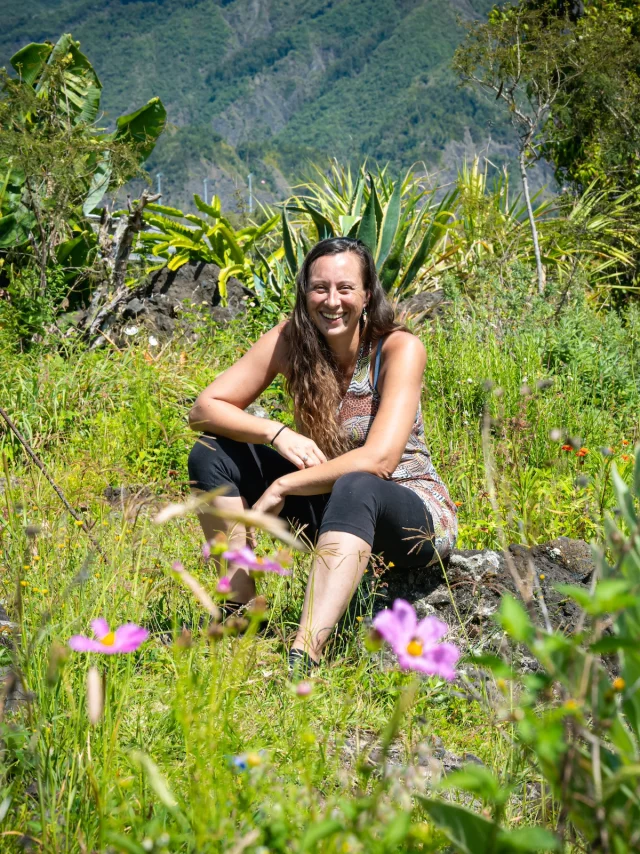
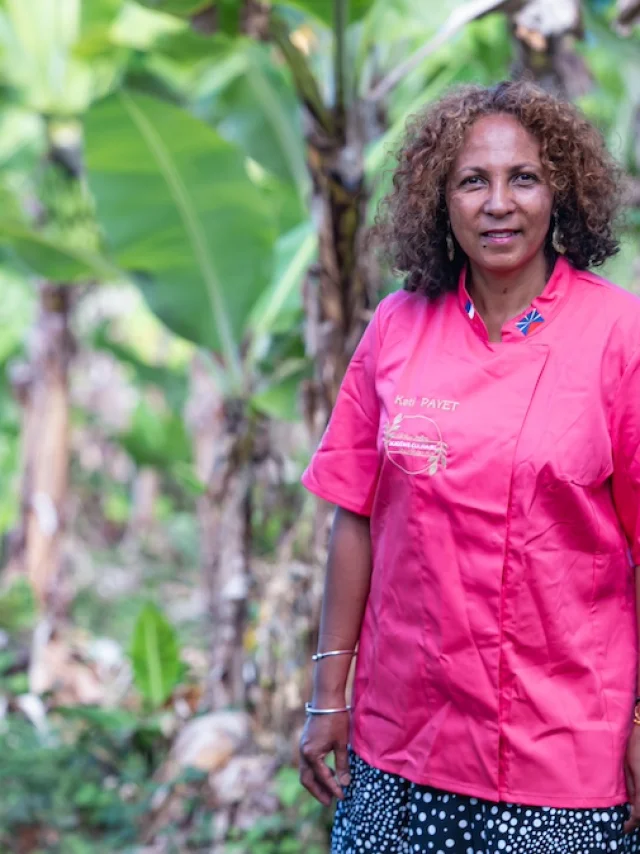
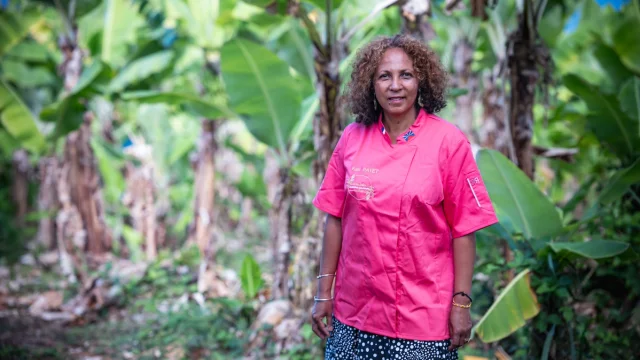
In Rivière des Roches, Laurence cooking is a way of keeping her memories alive. Blending Creole traditions, Italian influences, and dishes designed to bring people together, the young chef creates, through Ti Fonnker, a sensitive, generous, and deeply heartfelt cuisine.

A cry from the heart

In eastern Réunion, the vegetation doesn’t ask for permission. It takes over everything left to it, walls, fences, roadsides.

The river is never far away. The riverbed, the waterlogged gardens, the rains that come without warning, the ocean crashing behind the vacoas.

It’s here, amidst this lush greenery by the Rivière des Roches, between Saint-Benoît and Bras-Panon, that Laurence grew up.

When she speaks, she sometimes searches for the right words. She laughs a lot, too. A bit shy, very sensitive. But as soon as the topic turns to cooking, something in her lights up immediately.

“For me, cooking is my way of showing love.”

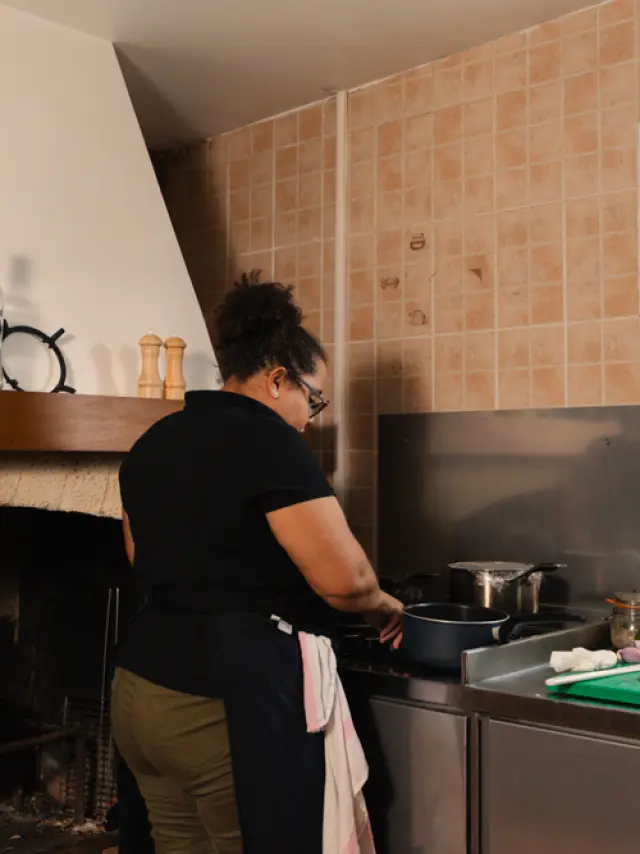
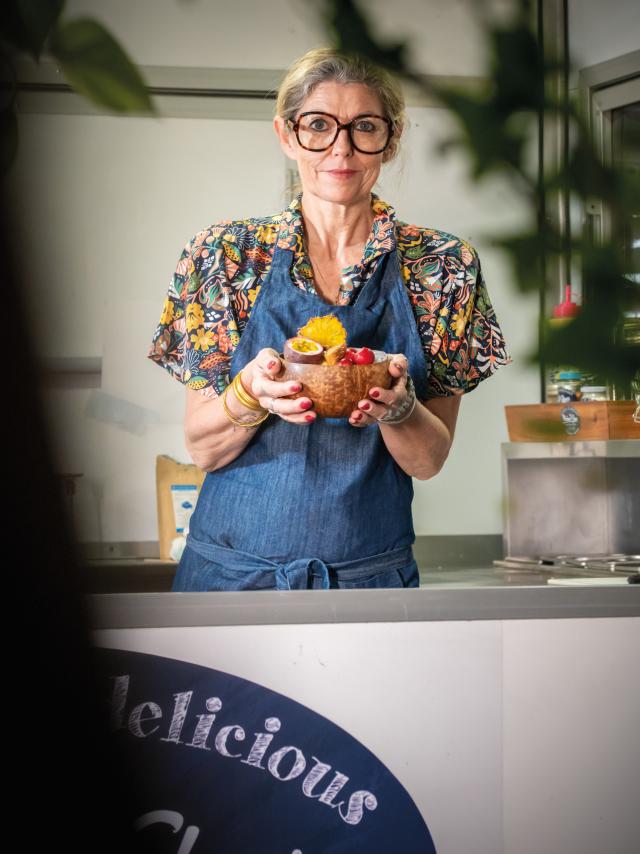
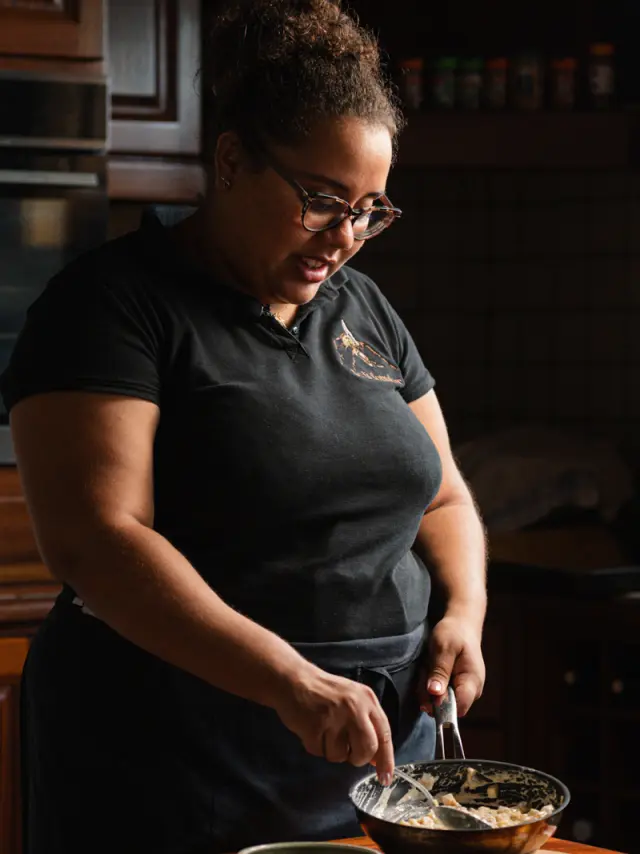
Today, Laurence is a private chef. With Ti Fonnker, she cooks in people’s homes, sets their tables, and creates menus where Creole memories meet her more contemporary influences.

“Ti Fonnker”: this Réunionese expression came naturally to her. Because it captures exactly what she’s trying to convey.

“The fonnkèr is a cry from the heart. The very essence of what we want to say.”

For Laurence, so much of life goes through the kitchen.
At Grandma’s

Most of her childhood memories have a scent.

The coffee drying in the sun in a basket. The cari bichique after swimming. The banana candies, still warm. Sundays when Dad cooks and the whole family gathers around the pot.

But most of all : her grandma’s house.

That’s where she spends her afternoons after school. That’s where she waits for her parents. That’s where something is taking shape, slowly, without her even realizing it yet.

“When we get home, we don’t even say hello. We just open the cooking pot.”

Laurence speaks of her grandma with emotion, in the past tense, yet with a presence that feels intact. The Creole garden. The old gas stove that’s too low. The coffee pot. The “coconut broom” made from the veins of coconut leaves. The flowers she sometimes forgets the names of, but which are nonetheless there, in her memory.

“Grandma is my connection to my Creole identity.”

When inspiration runs dry, that’s where she returns. Not to recreate the cuisine of the past exactly as it was. But to reconnect with the thread. To remember what she’s trying to pass on, and why.

“We go back there and find ourselves again. I find myself again.”

The Kitchen as a Refuge

Laurence always knew she wanted to cook. But first she did something else, she earned a bachelor’s degree in mathematics, the rational path. Then something went awry. The need to breathe. To listen to herself.

“I realized I had to do what was in my heart.”

She set out. First to Aix-en-Provence, then to Lyon. The kitchens of top restaurants, techniques learned through hard work, movements repeated until they became second nature.

She also discovered the limitations of that world, the sometimes disillusioning aspects, and the highly regimented nature of some gourmet kitchens.

And amid it all, one certainty kept returning : to rediscover her ingredients, her spices, her flavors.

To return to her island : La Réunion.

Today, Laurence travels to the four corners of the island to cook for her clients. She arrives several hours before the meal, unloads her crates, and sets up her kitchen within someone else’s.

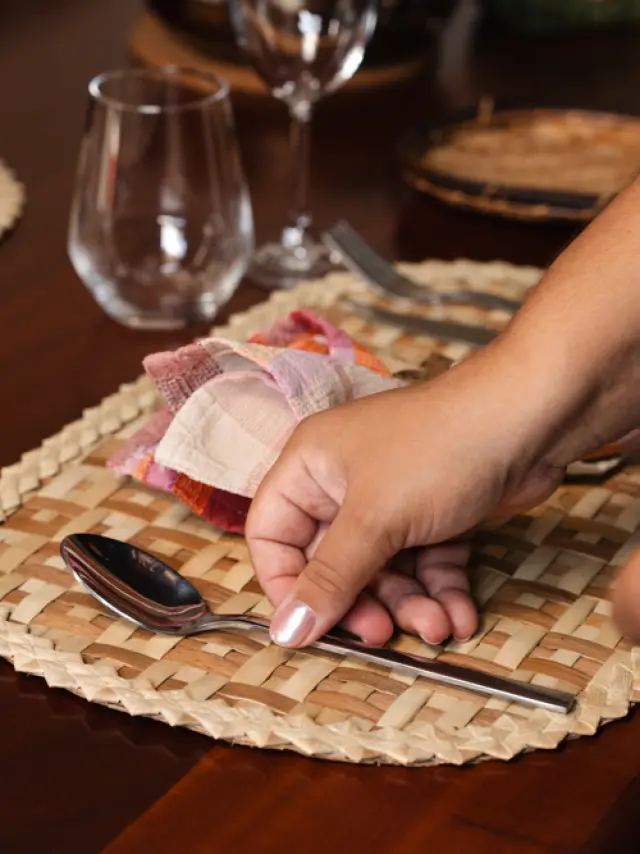
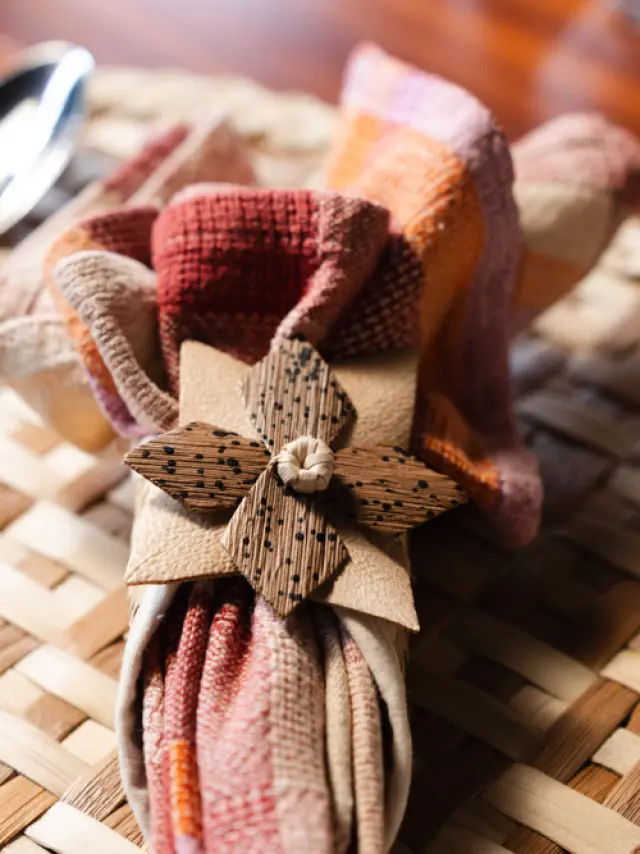
She sets the table with care : cloth napkins, woven vacoa placemats.

Then the guests take their seats, conversations begin, and the aromas gently fill the room.

And Laurence, in someone else’s kitchen, does exactly what she’s always wanted to do…

Creating Her Own Cuisine

On her plates, many elements coexist without clashing.

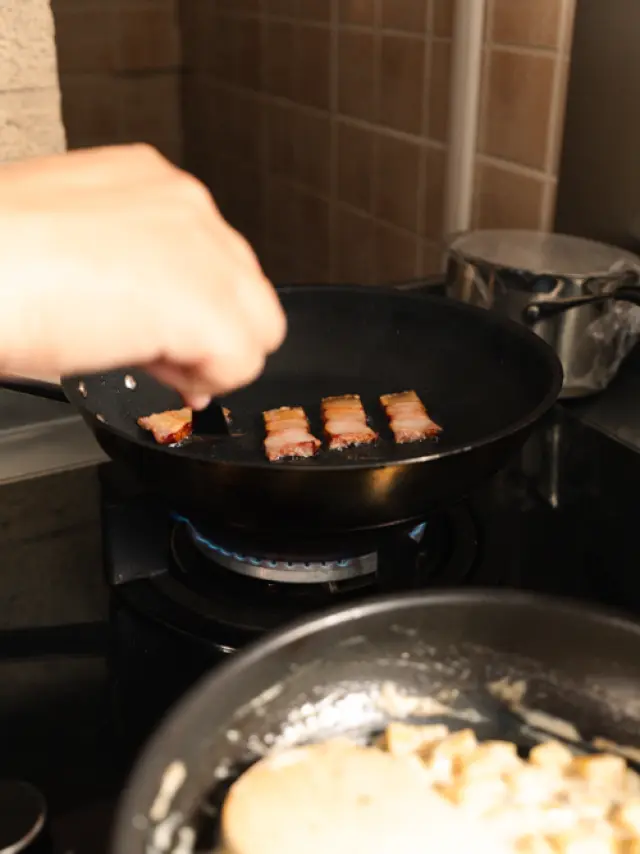
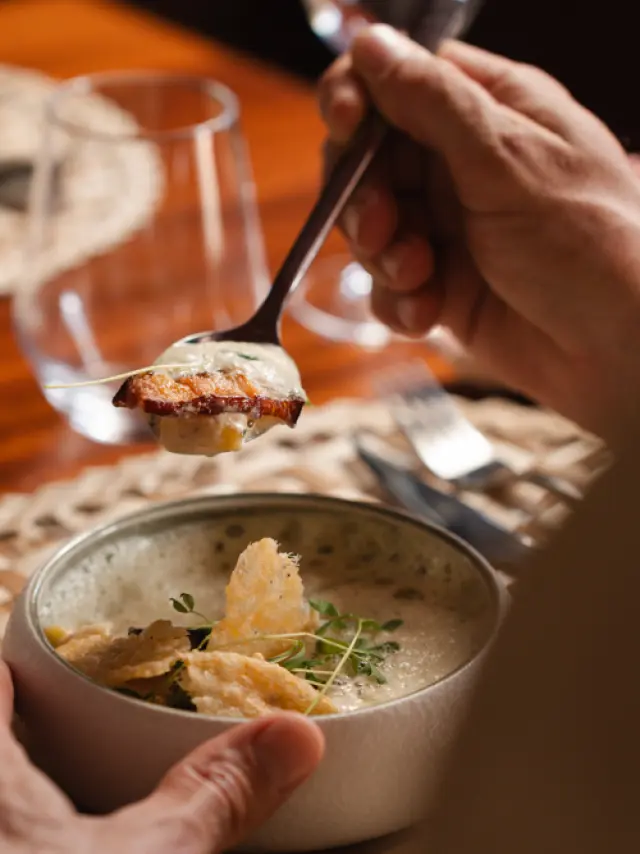
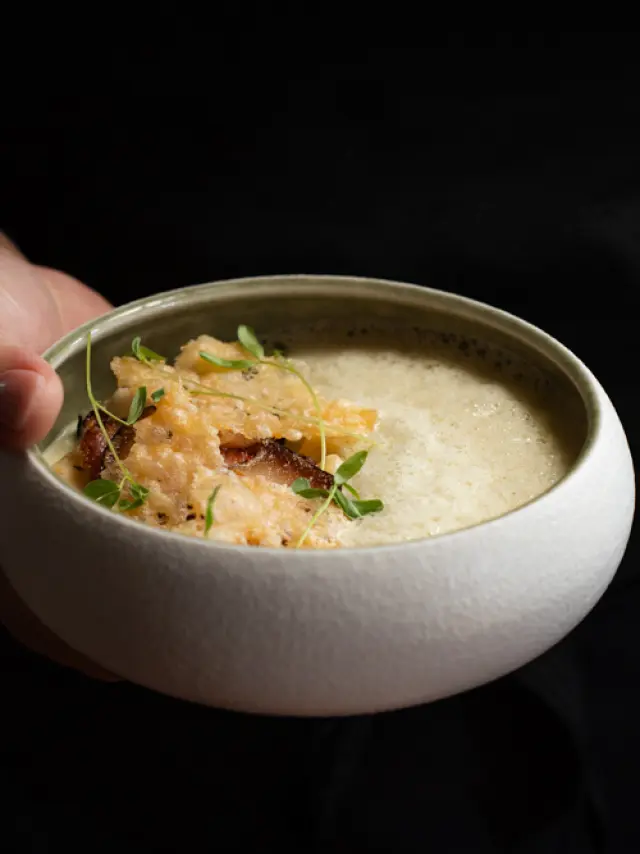
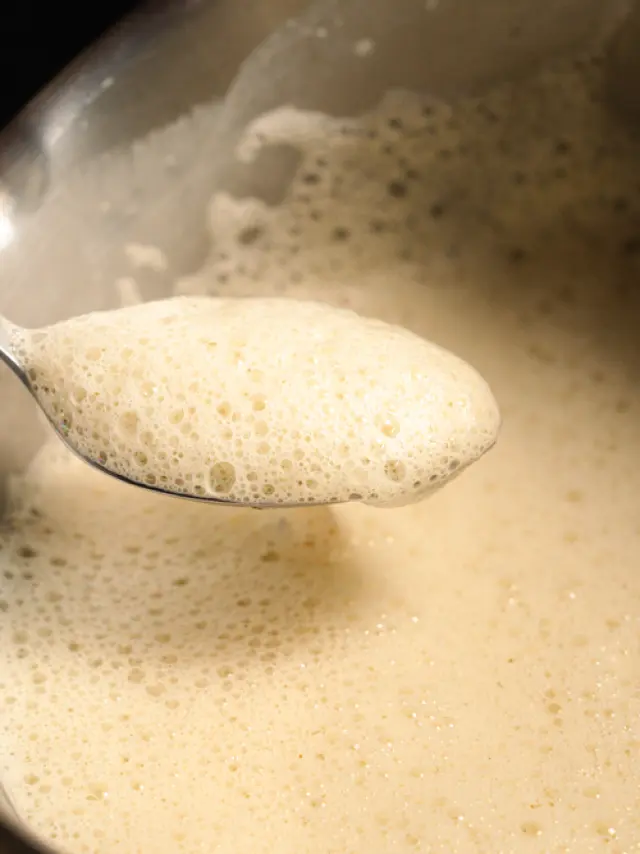
Vegetables, Creole spices, techniques she’s mastered, Italian influences, seasonal ingredients…. A parsley foam. Smoked boucané. Just the right amount of Parmesan.

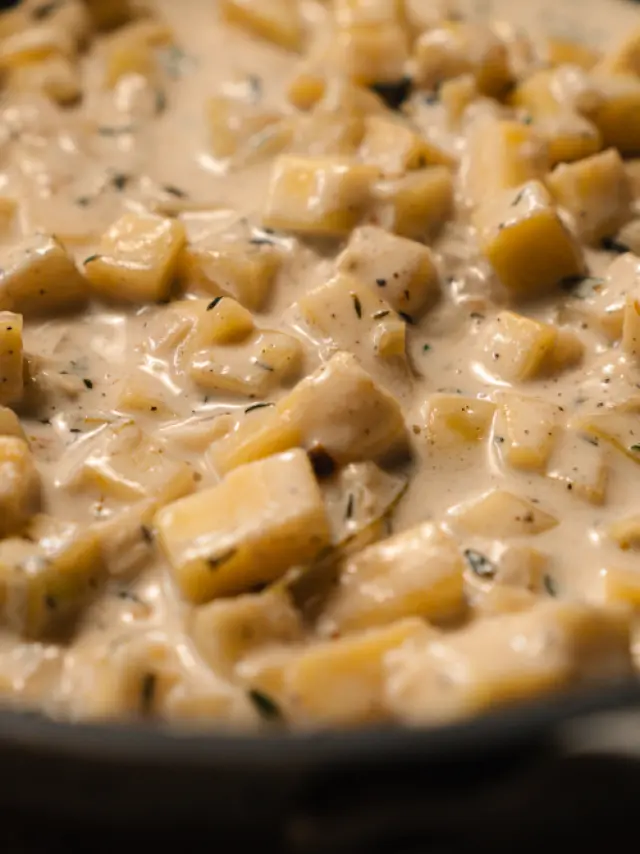
Her breadfruit fritotto says it all about her creative approach : taking a quintessentially Réunionese ingredient, breadfruit (which is often made into fritters), and letting it interact with the logic of a risotto.

No forced fusion, no technical showmanship. Just two cultures that recognize each other.

“In Réunion, anyway, the cuisine is all about mixing.

She also revisits the simple flavors of childhood. Grandma’s banana candies. Corn porridge.

“I like it to be comforting. Accessible. Simple. With simple ingredients, you can create something delicious, and you can really touch people’s hearts.”

The dream of a place of her own

Ti Fonnker continues to grow.

Laurence dreams of a permanent spot in the eastern part of the island, a small restaurant that reflects her personality.

Mismatched plates. An open kitchen. A place where you can eat well without feeling intimidated. Maybe a vegetable garden. A wood-burning fire. An atmosphere like in the Hauts, where you keep a sweater draped over your shoulders while a dish simmers.

What she wants people to take with them when they leave isn’t a technique, nor a memorized flavor pairing. It’s a feeling.

“If I can make people feel that, if they feel good and eat well, I think I’ve won it all.”

There’s something grandmotherly about it, this way of cooking that’s loudless, that doesn’t try to impress, that cares without saying a word.

At Laurence’s, cooking is simply like that.

Cooking as if you were welcoming someone into your home.

And above all, with everything in your heart.

GOURMET PORTRAIT

If I were...

A Reunionese dish

Ti Jacques boucané

A terroir product

(hard to choose, we have so many wonderful products) breadfruit

A spot for self-indulgence

L’Anse des Cascades, with its restaurant (menu + buffet) by the water

Discover all our portraits